

Supporting Children and Teens as They Grow, Struggle, and Thrive

About James
I’m James Verdery, a Licensed Mental Health Counselor who works primarily with children, teens, and families.
A lot of the kids I work with are bright, funny, creative, and capable, but they’re also struggling with things like anxiety, ADHD, frustration, emotional regulation, confidence, or feeling overwhelmed by everyday expectations. Sometimes they know exactly what is bothering them. Other times, all a parent knows is that their child is shutting down, melting down, avoiding things, arguing more, or just doesn’t seem like themselves.
My goal is to create a space where kids don’t feel like they have to perform, give the “right” answer, perform, or spend an entire session sitting across from an adult talking about their feelings.

Therapy that Meets kids where they are
Children and teens don’t all communicate the same way, and I don’t expect them to.
Depending on the child, sessions might involve conversation, games, drawing, problem-solving activities, movement, humor, or shared interests. For some kids, talking happens much more naturally when we’re also doing something together.
I use approaches including cognitive behavioral therapy, play based therapy, emotional regulation work, and practical skill building, but I try not to make therapy feel overly clinical. The goal is to help kids understand themselves, practice useful skills, and become more confident handling difficult situations, not simply teach them therapy vocabulary.
I especially enjoy working with kids who may have struggled to engage in more traditional therapy or who respond better when therapy feels active, collaborative, and connected to things they genuinely enjoy.
Working With ADHD, Anxiety, and Big Emotions
Much of my work focuses on ADHD, anxiety, emotional regulation, and the challenges that often come along with them.
That might mean helping a child learn what to do when frustration goes from 0 to 100, helping a teenager understand why starting a simple task can feel surprisingly difficult, or helping an anxious child gradually feel more capable doing things that feel uncomfortable or uncertain.
I also spend time helping kids recognize their strengths. ADHD, anxiety, sensitivity, and intense emotions can create real challenges, but I don’t want children to come away from therapy believing that they are simply a collection of problems that need to be fixed.
Parents Are Part of the Process
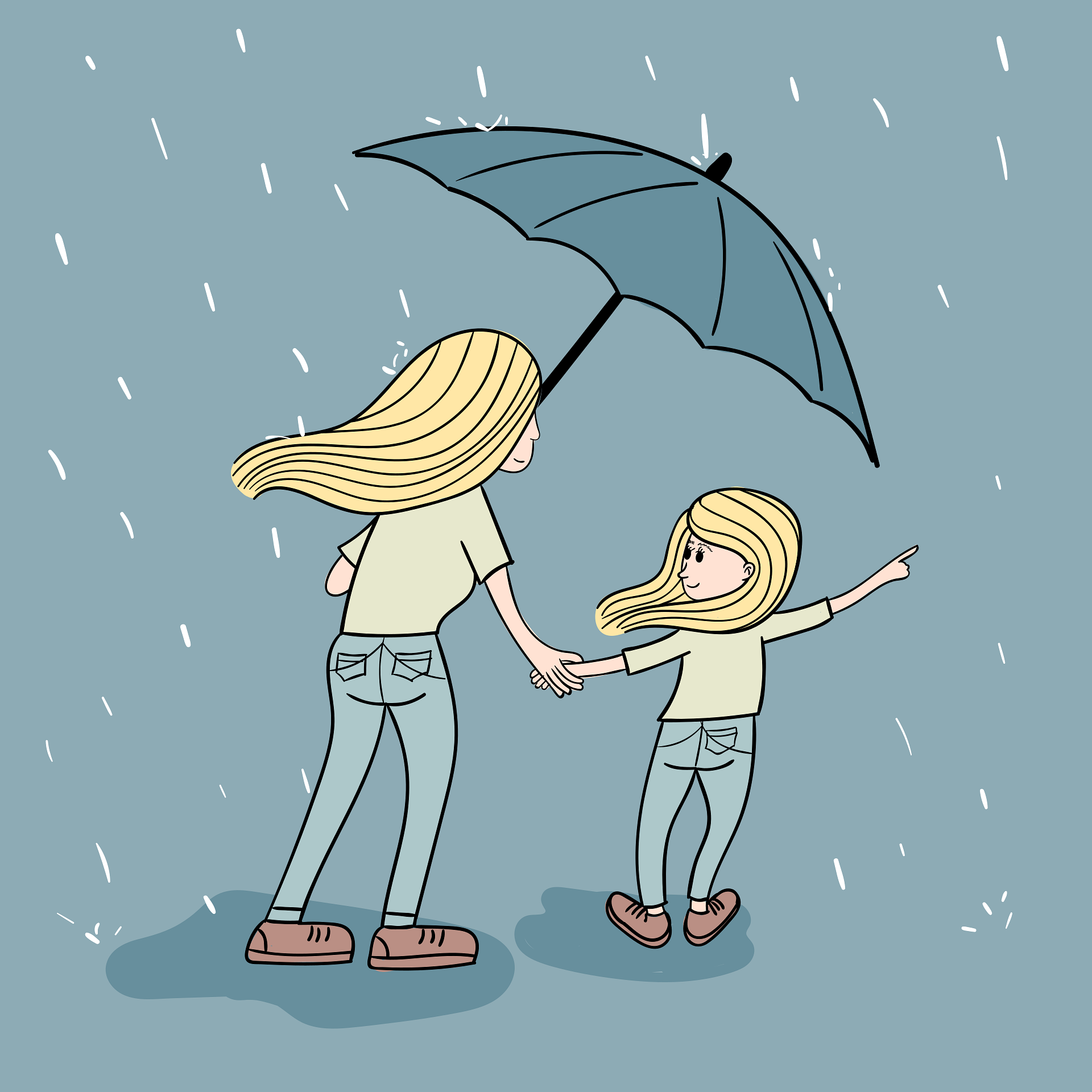
Working with children also means working with parents.
I want parents to understand what we’re working on and to leave with practical ideas they can actually use at home. Sometimes that means helping a parent respond differently to a difficult behavior. Sometimes it means figuring out which battles matter, how to set expectations more effectively, or how to support a child without accidentally reinforcing anxiety or avoidance.
My approach is collaborative rather than judgmental. Parenting is hard enough without feeling like your child’s therapist is grading you.
Using Play and Tabletop Games Therapeutically


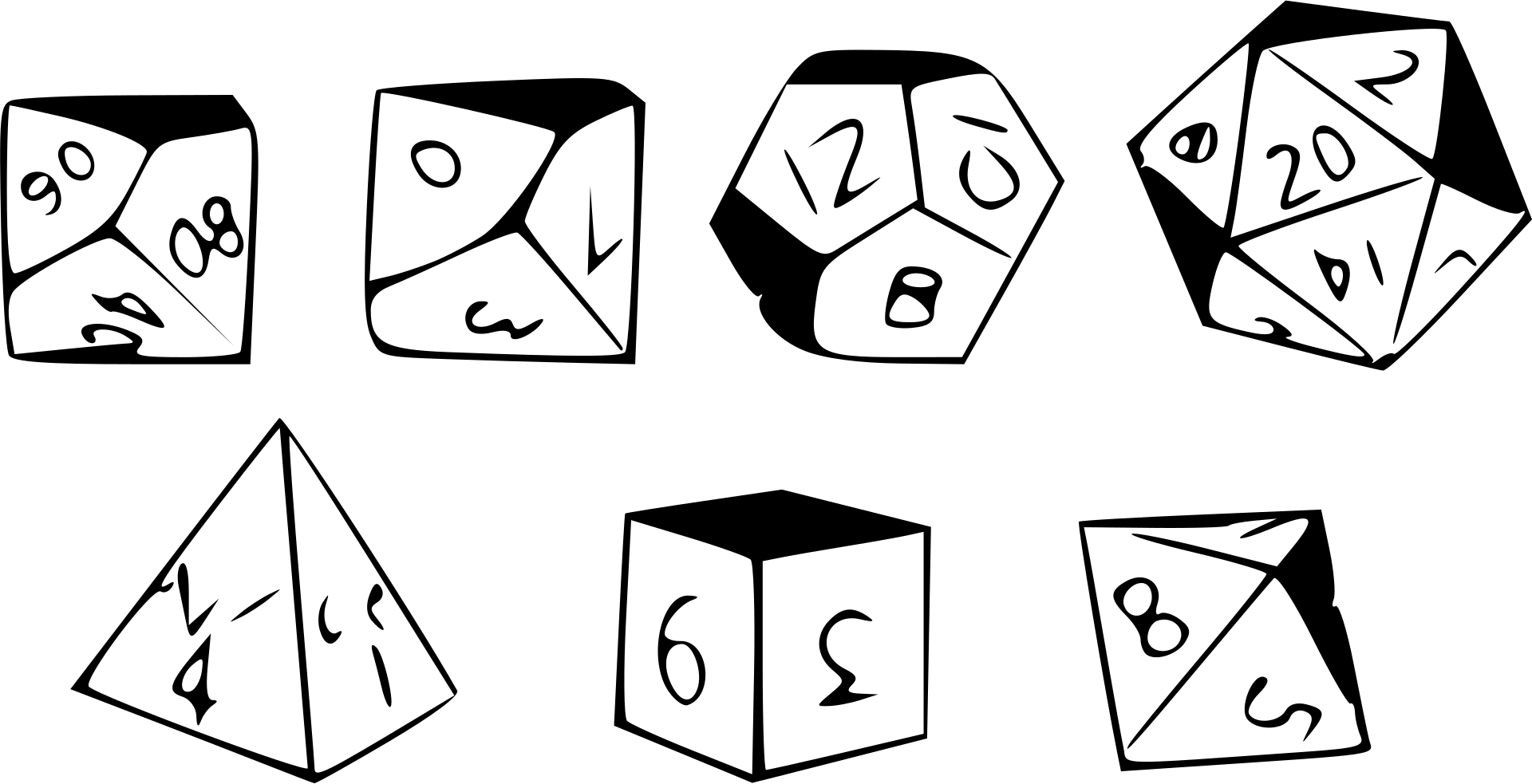
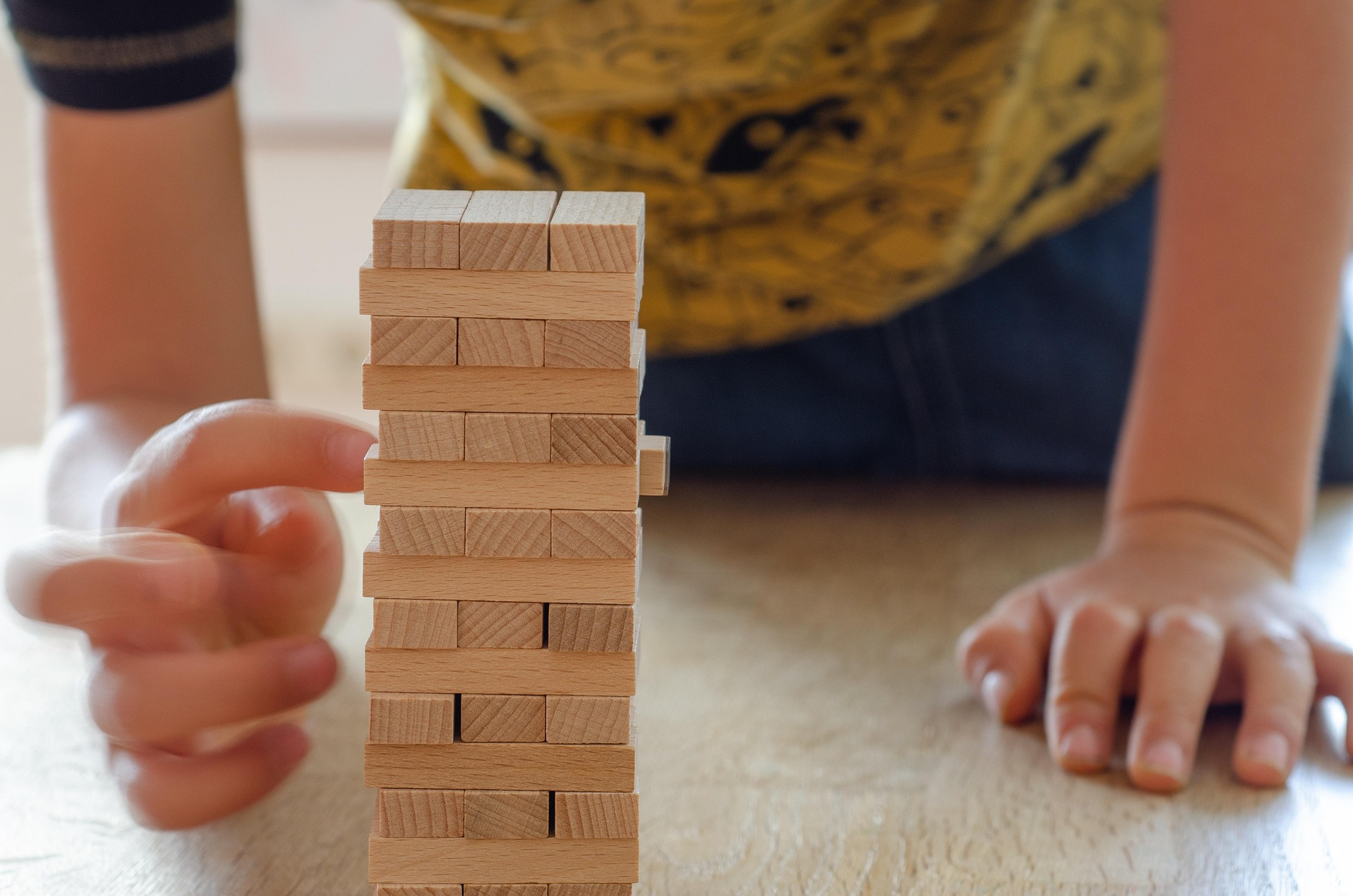
I’m also a longtime tabletop role-playing game player and Dungeon Master, and I use games—including Dungeons & Dragons–style role-playing games, as a way to help kids and teens practice social and emotional skills.
Tabletop games create natural opportunities to work on communication, cooperation, problem solving, flexibility, frustration tolerance, perspective taking, and confidence. They can be especially helpful for kids who connect more easily through shared activities than through traditional conversation.
Most importantly, they give young people a chance to practice skills while actually enjoying themselves.